-
24 Hour Emergency Service

- 24 Hour Emergency Service
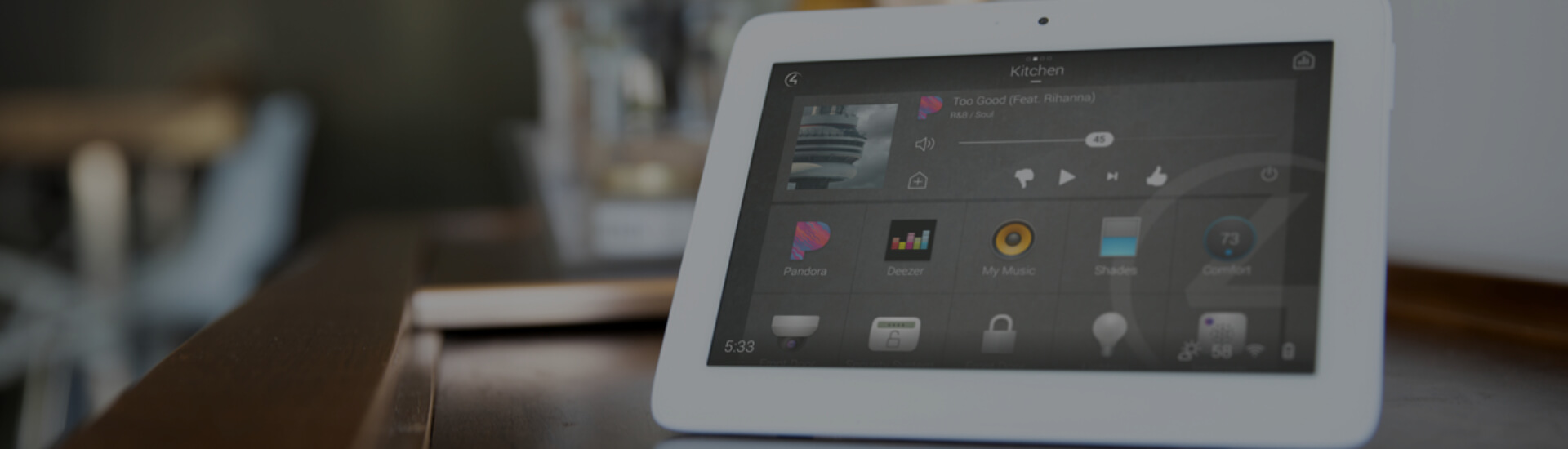
Are Smart Home Security Systems in Palisades Worth It?
Most homeowners think security is just about locks and cameras. Install something visible, call it a day. But real protection runs deeper than that — and if you're not thinking strategically, you're leaving gaps. Smart systems aren't magic. They're tools. And like any tool, their value depends entirely on how you deploy them, what you're trying to protect, and whether you're willing to maintain what you install.
So here's the reality. Palisades may feel like a low-risk bubble, but crime doesn't respect zip codes. Package theft happens in broad daylight. Break-ins target homes that look easy. And even good neighborhoods have blind spots. The question isn't whether smart security works — it's whether it works for your home, your routine, and your tolerance for managing yet another connected system.
What Traditional Security Misses
Old-school alarms do one thing well: they scream when something trips. But they don't tell you what happened, who's at the door, or whether that motion was your dog or an intruder. They react. They don't inform. And in most cases, by the time you know something's wrong, it's already gone sideways.
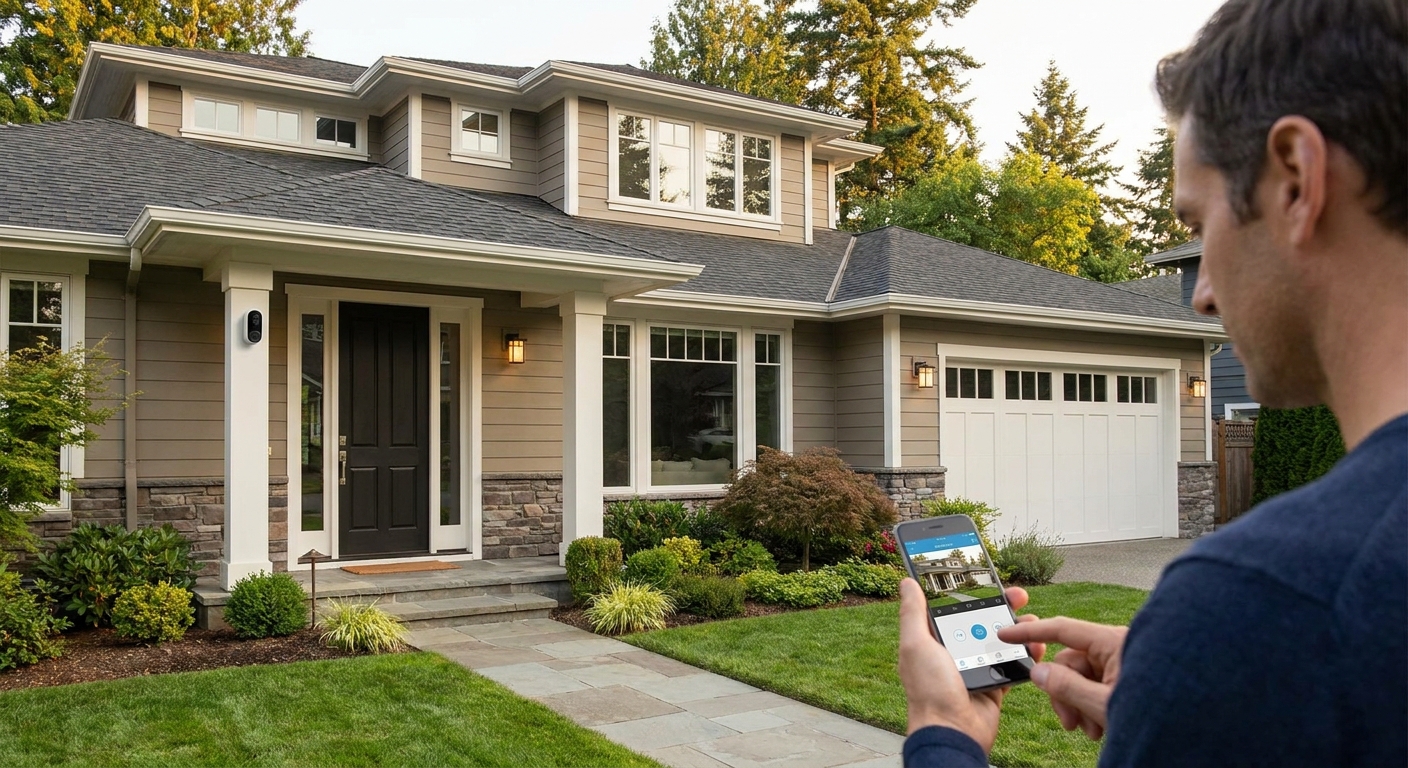
Smart systems flip that script. You get live feeds. Instant alerts. Two-way audio. Remote control. That means you can verify a threat before calling the cops, let a contractor in while you're across town, or scare off a porch pirate with your voice through a doorbell camera. It's not about replacing human judgment — it's about giving you the information to make better calls, faster.
The Features That Actually Matter
Not all smart security is created equal. Some systems are bloated with gimmicks. Others nail the essentials and skip the fluff. If you're shopping around, focus on what delivers real utility — not what looks cool in a commercial.
Here's what separates serious setups from overpriced toys:
- HD cameras with night vision and cloud storage options
- Motion detection with customizable zones so you're not getting pinged every time a leaf falls
- Smart locks that log who comes and goes, with temporary codes for guests or service providers
- Doorbell cameras with two-way talk and instant mobile alerts
- Integration with existing smart home devices like lights, thermostats, and voice assistants
- Battery backup or cellular failover in case your Wi-Fi drops
Where the Value Shows Up
The payoff isn't always immediate. You might install a system and never have a break-in. That doesn't mean it failed — it means it worked. The visible deterrent alone can steer trouble to an easier target. And when something does happen, you've got footage, timestamps, and evidence that can make or break an insurance claim or police report.
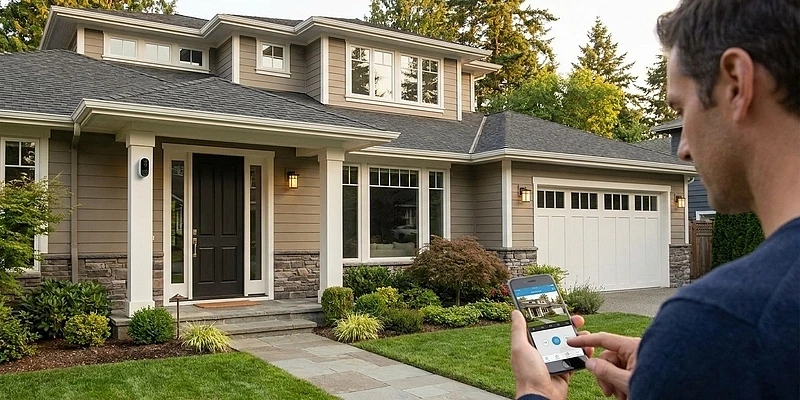
Beyond crime, smart systems give you operational control. Forgot to lock the back door? Do it from your phone. Need to let in a repair tech but stuck in a meeting? Grant access remotely and revoke it when they leave. Want to check if the kids got home from school? Pull up the feed. These aren't luxuries — they're practical advantages that compound over time.
The Costs You Need to Face
Smart security isn't cheap, and pretending otherwise sets you up for sticker shock. Quality cameras run a few hundred each. Professional installation adds labor costs. Monthly monitoring fees can stack up if you want 24/7 coverage or extended cloud storage. And if you're outfitting multiple entry points, windows, and zones, the bill climbs fast.
Here's where the money goes:
- Hardware — cameras, sensors, hubs, locks, and doorbells
- Installation fees if you're not DIY-savvy
- Subscription plans for cloud storage, professional monitoring, or premium app features
- Replacement batteries, firmware updates, and occasional hardware upgrades
- Potential network upgrades if your Wi-Fi can't handle the load
Privacy Tradeoffs and Connectivity Risks
Anything connected to the internet is a potential target. Weak passwords, outdated firmware, or sketchy third-party integrations can turn your security system into a liability. We've seen breaches where hackers accessed live feeds or disabled systems remotely. That's not paranoia — it's pattern.
Protect yourself by using strong, unique passwords, enabling two-factor authentication, and buying from brands with a track record of patching vulnerabilities. Don't cheap out on off-brand hardware just because it's on sale. And if your system lets you disable remote access when you're home, consider using that feature. Less exposure, less risk.
When Wi-Fi Goes Down
Most smart systems lean hard on your home network. If the power cuts or your router craps out, you could lose live feeds, remote access, or cloud uploads. Some systems have cellular backup or local storage, but those are add-ons — not standard. If reliability is non-negotiable, factor in battery backups, redundant internet connections, or hybrid systems that can function offline.
Don't assume your system will hold up in a crisis unless you've tested it. Run a drill. Unplug the router and see what still works. Check whether alerts still fire. Verify that local storage kicks in. Better to find the gaps now than during an actual emergency.
Is Palisades a Target Worth Protecting
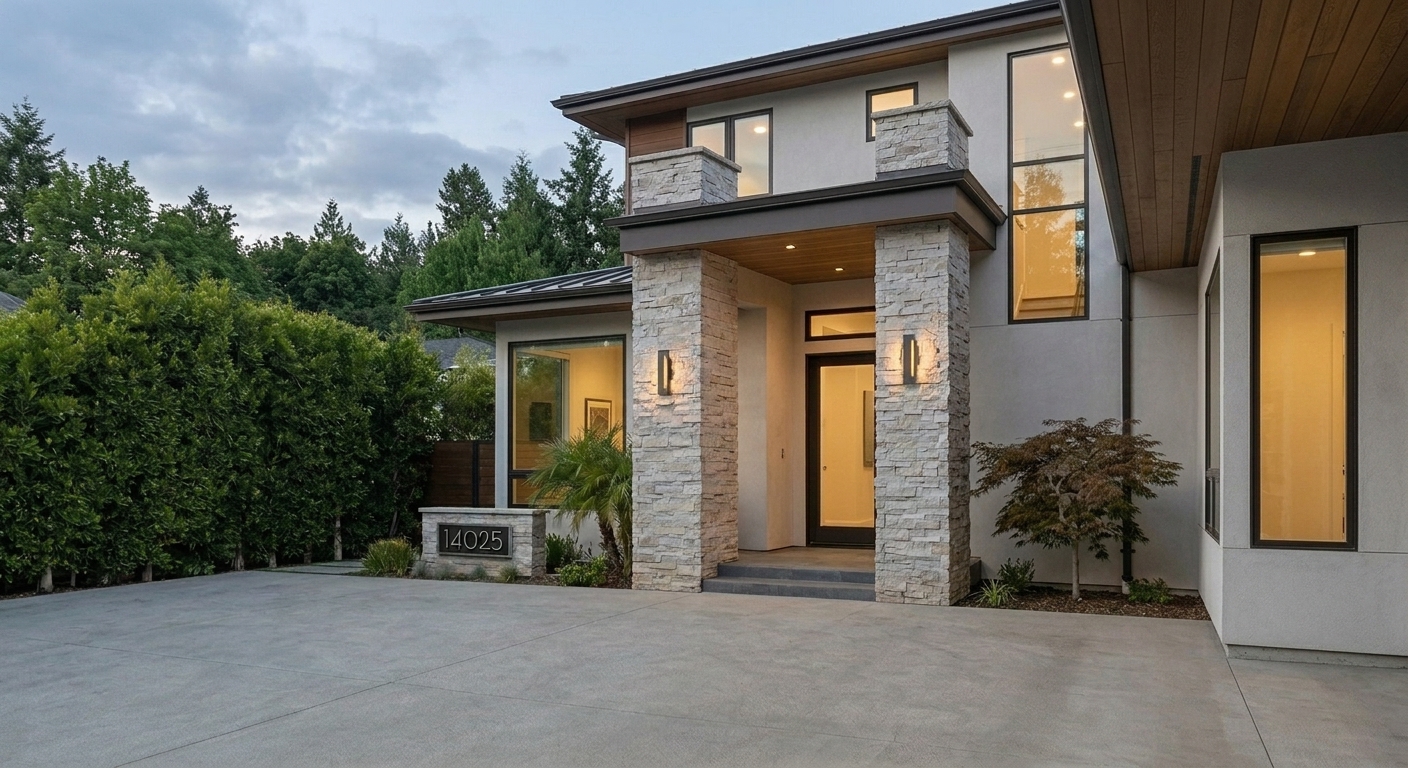
Crime stats for Palisades skew low compared to urban cores, but that doesn't mean risk is zero. Package theft is rising everywhere. Opportunistic burglars cruise quiet streets looking for unlocked doors or homes that scream "we're on vacation." And even if your block feels safe, property values make Palisades homes attractive to thieves willing to travel.
Smart security won't stop every threat, but it closes vulnerabilities that traditional systems miss. You get visibility. Control. Documentation. And in a neighborhood where trust runs high, that edge can feel excessive — until the one time it's not.
What Slows People Down
Most hesitation boils down to three things: cost, complexity, and skepticism. Fair enough. But let's separate valid concerns from excuses.
Here's what actually trips people up:
- Upfront expense without a clear ROI timeline
- Fear of managing another app, another password, another system to maintain
- Doubt that the tech will work when it matters most
- Privacy anxiety about cameras recording 24/7
- Analysis paralysis from too many brands, too many features, and no clear winner
Where Homeowners Get It Wrong
Throwing money at hardware without a plan is the fastest way to waste your budget. Cameras pointed at the wrong angles. Sensors that trigger false alarms every night. Systems so complex you stop using them after a month. Smart security only works if it fits your actual life — not some idealized version of how you think you'll behave.
Start small. Cover your front door, garage, and most vulnerable entry points. Test the system. Live with it. Then expand if it proves useful. Don't buy the deluxe package just because the sales rep says it's popular.
The Professional Monitoring Question
Do you need someone watching your system 24/7? Depends. If you travel constantly, work long hours, or just want the peace of mind that a human is standing by, monitoring makes sense. If you're home most of the time and comfortable responding to alerts yourself, skip it and pocket the monthly fee.
Just know what you're opting out of. Self-monitoring means you're the first responder. If you're asleep, in a meeting, or on a plane, alerts might go unnoticed. Professional monitoring fills that gap — but it's a recurring cost that adds up over years.
The Insurance Angle
Some carriers offer discounts for homes with monitored security systems. It's not automatic, and the savings vary, but it's worth asking. Even a five or ten percent reduction on your premium can offset part of your monitoring fee. And if you ever file a claim, having timestamped footage and activity logs can speed up the process and strengthen your case.
Don't expect insurance savings to cover the full cost of your system. Think of it as a bonus, not the reason you install.
Smart Security as a Long Game
The real win isn't the one time you catch a burglar on camera. It's the cumulative effect of better visibility, faster response, and fewer vulnerabilities. It's knowing who's at the door before you open it. It's having proof when a delivery driver swears they dropped your package. It's not scrambling to remember if you locked up before leaving for the airport.
These aren't headline moments. They're everyday conveniences that compound into real value. And in Palisades, where quality of life is the whole point, that value fits right in.
Making the Call
Smart home security works when it's deployed with intention. It fails when it's treated like a gadget or a status symbol. Palisades homes deserve protection that matches their value — but only you can decide if that means cameras, sensors, and monthly fees, or just better habits and a solid deadbolt.
If you're going to do it, do it right. Research your options. Test before you commit. And don't let the tech outpace your willingness to maintain it. Security isn't a one-time purchase. It's a system you live with, update, and adjust as threats evolve and your needs shift.
Ready to Secure What Matters Most?
We know that every home and every family in Palisades has its own priorities when it comes to security. If you're ready to take the next step toward smarter protection and real peace of mind, let's talk about a system that fits your life—not just your address. Give us a call at 845-445-6446 or contact us today to get started on a solution that works for you.
‹ Back