-
24 Hour Emergency Service

- 24 Hour Emergency Service

What Happens When a Security System Fails at Your Property in Haverstraw?
Most property owners think security systems are just about prevention. Sensors on, cameras running, alarms ready. But when those tools go dark, the IRS isn't the only thing you need to worry about — it's the gap between what you thought you had and what's actually protecting your space. A failed system doesn't just stop working. It leaves a trail of risk, exposure, and liability that doesn't announce itself until something goes wrong.
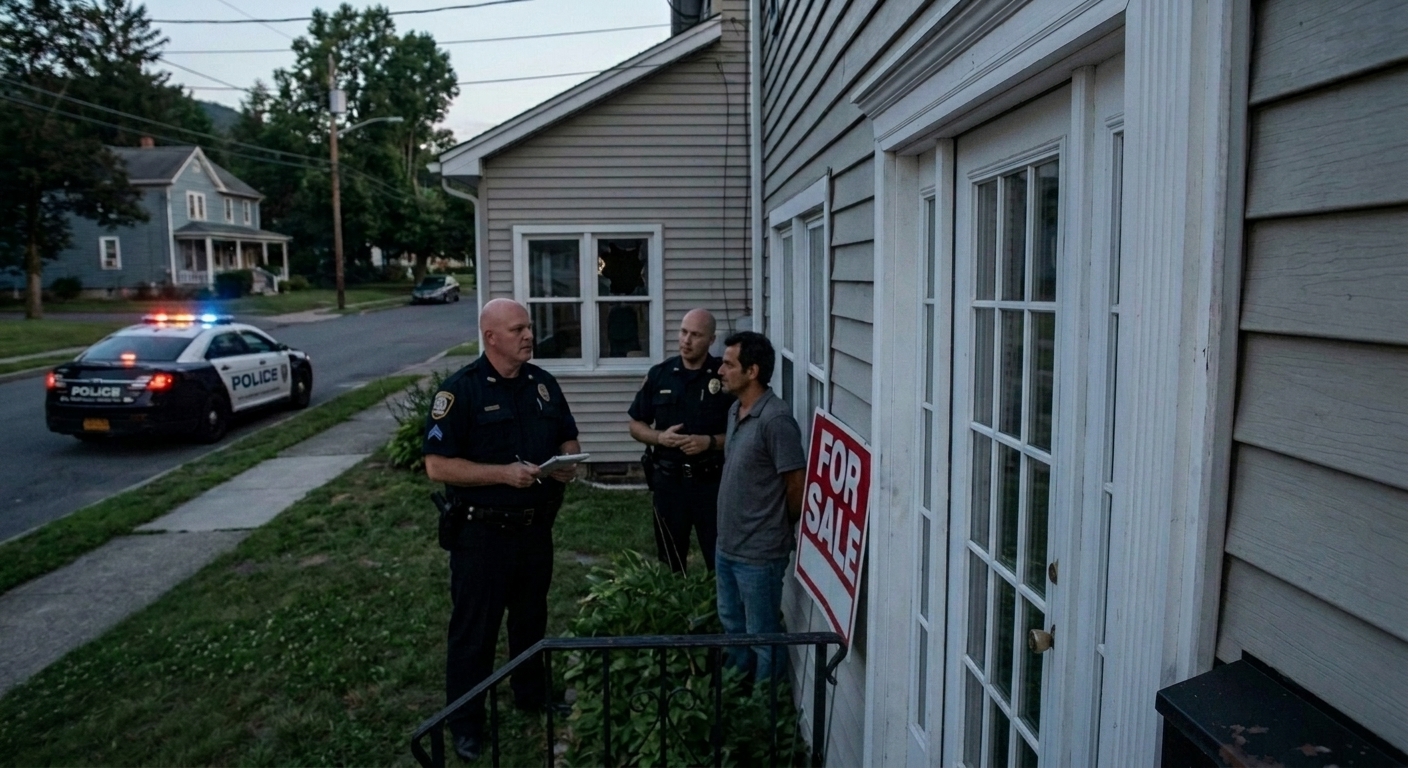
Here's what we know. If you're relying on technology to keep your property secure, that's smart. Just don't assume it's invincible. Every sensor should be tested. Every alert needs a backup. And every decision about your security setup should be grounded in how the system performs under pressure — not just how it looked when it was installed.
Your Property Becomes a Target
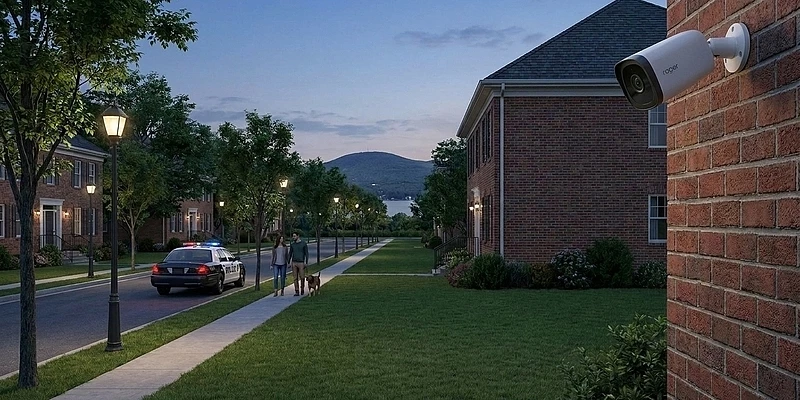
The second your system stops functioning, the clock starts ticking. Criminals don't need a memo to know when a building's defenses are down. They watch for patterns. They test locks. They notice when motion lights don't trigger or when cameras aren't rotating. In Haverstraw, where neighborhoods rely on visible deterrents, a dark camera housing or a silent alarm panel sends the wrong message fast.
This isn't paranoia. It's pattern recognition. Break-ins spike in areas where security measures visibly fail. And once word spreads that a property's protections are compromised, the window of opportunity stays open longer than most owners realize.
Emergency Response Gets Cut Off
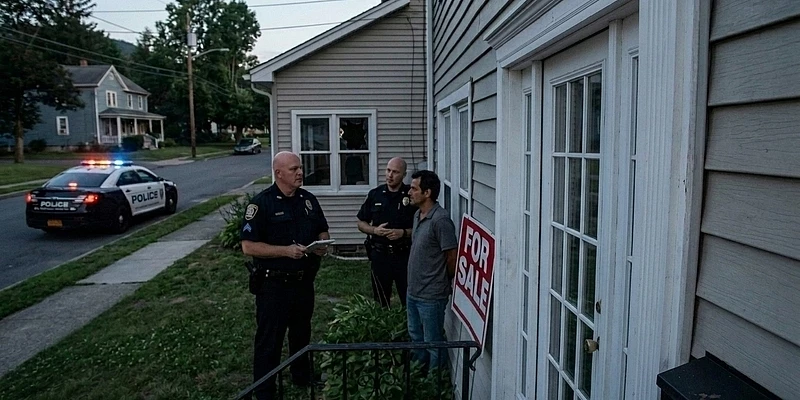
Modern systems don't just sound alarms. They notify monitoring centers, dispatch authorities, and create digital records of what triggered the alert. When that chain breaks, you're back to analog. Someone has to see the problem. Someone has to make the call. And by the time help arrives, minutes have already slipped away.
We've seen this play out in real scenarios. Fire alarms that don't connect. Intrusion sensors that go offline during storms. Medical alert systems that fail when power drops. Every second of delay compounds the risk, and in emergencies, those seconds matter more than most property owners want to admit.
The Financial Hit Adds Up Fast
Losses from a compromised property don't stop at stolen goods. There's damage to repair. Inventory to replace. Downtime while you clean up the mess. Insurance might cover part of it, but policies get sticky when they discover your security system wasn't operational at the time of the incident.
Beyond the tangible costs, there's the psychological toll. The unsettled feeling that comes with knowing your space was violated. The second-guessing every creak and shadow. That weight doesn't show up on a balance sheet, but it drains energy and focus all the same.
Liability Doesn't Wait for Excuses
If you're managing rental units or running a commercial space in Haverstraw, a failed security system opens the door to legal exposure. Tenants expect safe conditions. Customers assume their vehicles won't get broken into in your lot. Employees deserve a workspace that doesn't put them at risk.
When those expectations aren't met because your system failed, the fallout can include lawsuits, settlements, and regulatory scrutiny. Proving you kept up with maintenance helps. Showing you ignored warning signs? That's a problem we've seen sink more than a few property owners.
Evidence Disappears When You Need It Most
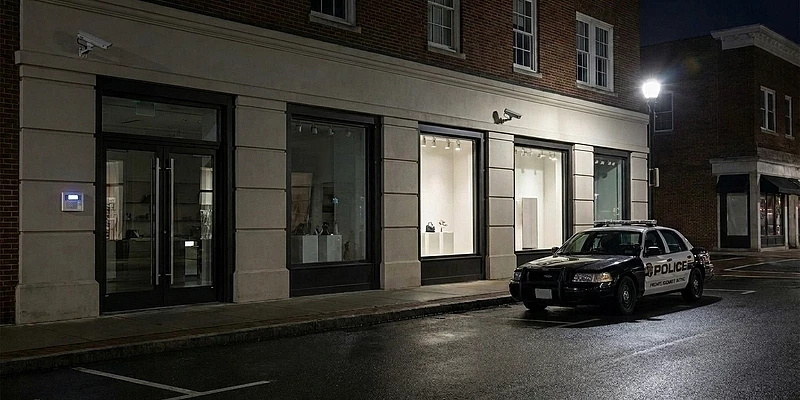
Footage and logs are the backbone of any investigation. They identify suspects. They establish timelines. They validate insurance claims and support police reports. When your system crashes, that record vanishes. You're left trying to reconstruct what happened based on memory and guesswork.
The absence of evidence doesn't just slow down investigations. It can invalidate claims entirely. Insurers want proof. Law enforcement needs leads. Without either, your options narrow fast, and recovery becomes an uphill battle.
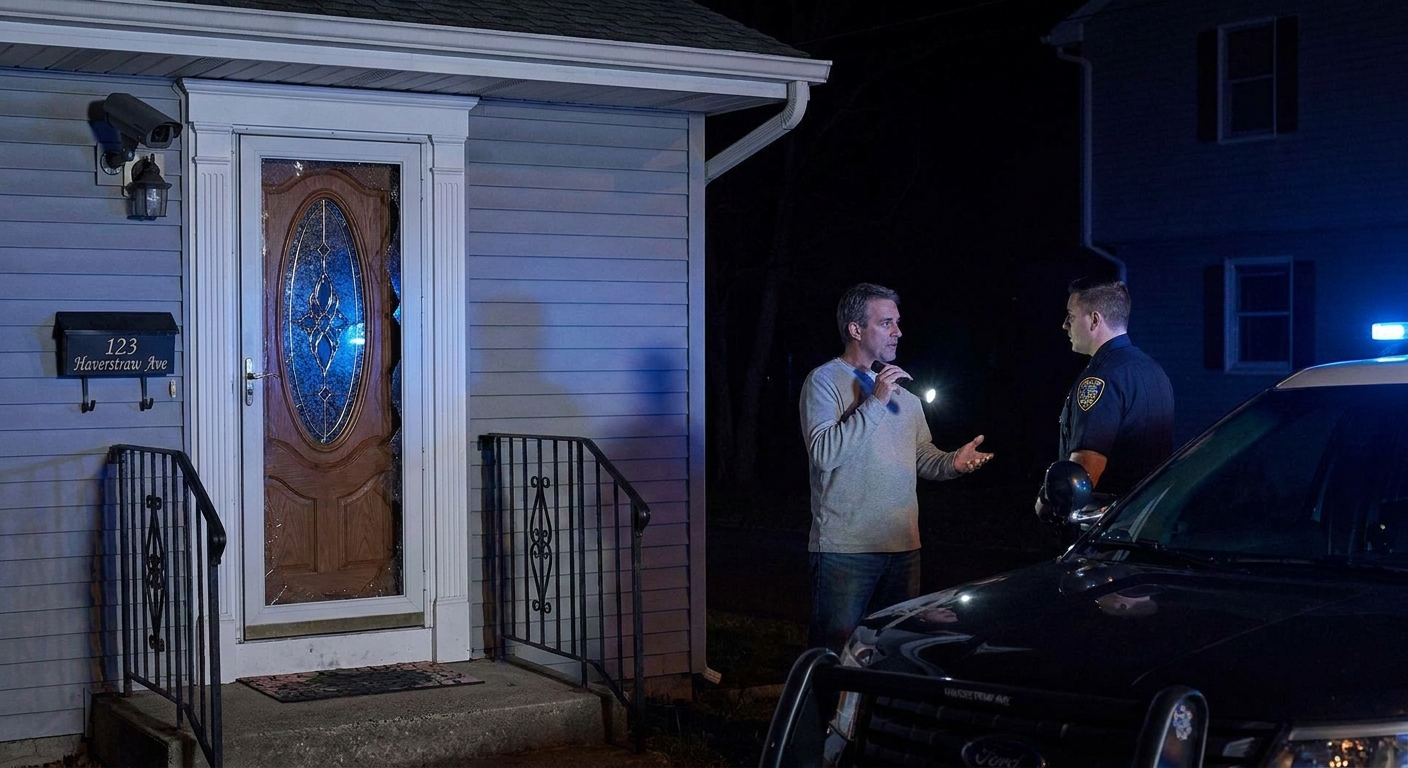
What to Do the Moment You Discover a Failure
First, assess whether your property is actively at risk. Check doors, windows, and access points. If anything looks off, don't investigate alone — call authorities. Then contact your security provider or technician immediately. Most failures have a root cause that can be diagnosed and fixed, but time is the enemy here.
While you wait for repairs, shore up the gaps. Increase exterior lighting. Add temporary locks or barriers. If the situation warrants it, bring in physical security until your system is back online. Don't assume the problem will resolve itself overnight.
Notify your insurance company as soon as possible, especially if there's been a breach or loss. Document the failure with photos, timestamps, and repair records. This paper trail matters more than most people realize when it's time to file a claim or defend against liability.
Stopping Failures Before They Start
We can't emphasize this enough — prevention beats reaction every time. Regular maintenance isn't optional. It's the foundation of a system that actually works when you need it. Schedule inspections. Test sensors and cameras monthly. Update software and firmware as soon as patches are available. These aren't suggestions. They're necessities.
If your system is old or unreliable, don't limp along hoping for the best. Upgrade to equipment that offers remote monitoring, real-time alerts, and redundant power sources. Modern systems flag malfunctions before they become catastrophic, giving you a chance to fix problems instead of scrambling after the fact.
Building a Safer Haverstraw Together
Security isn't just about protecting your own property. It's about contributing to a neighborhood where everyone feels safe. When your system fails, the ripple effect can lower confidence across the block. Encourage neighbors to maintain their systems. Share information about reliable providers. Consider forming or joining a neighborhood watch to add another layer of vigilance.
Collective effort works. Criminals avoid areas where they know residents are paying attention and systems are functional. By staying proactive, we make Haverstraw a harder target for anyone looking for easy opportunities.
Practical Steps That Make a Difference
Want to keep your property secure? Start with the basics and build from there. Here's what every system should include:
- Routine testing of all sensors, cameras, and alarm components
- Backup power supplies that kick in during outages
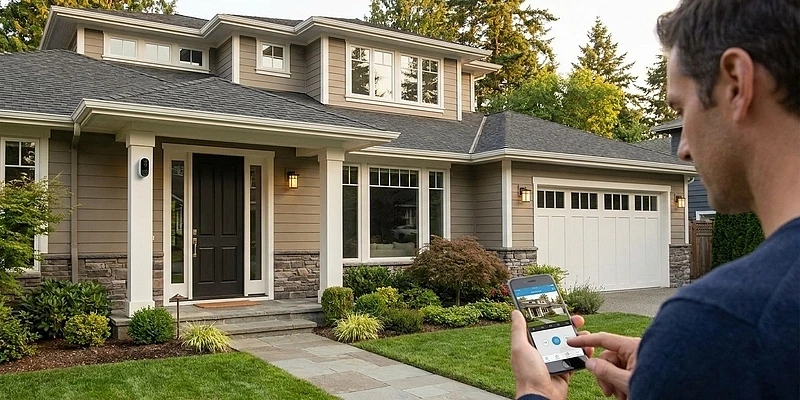
- Remote monitoring capabilities so you're alerted to failures instantly
- Clear maintenance logs showing when inspections and repairs were completed
- Direct lines to monitoring centers or local authorities
When to Bring in Professional Help
If your system is complex, outdated, or has failed more than once, we recommend calling in experts. A qualified technician can identify vulnerabilities you might miss and recommend upgrades that fit your property's specific needs.
Professionals also help you navigate the maze of insurance requirements, compliance standards, and vendor contracts. They know which components fail most often and how to prevent those breakdowns. It's not just about fixing what's broken — it's about building resilience into your security infrastructure.
Common Mistakes That Invite Problems
Here's where most property owners trip up:
- Skipping routine maintenance because everything seems fine
- Ignoring low battery or malfunction alerts from the system
- Using outdated equipment that no longer receives support or updates
- Failing to test backup power sources until it's too late
- Assuming insurance will cover everything without checking policy terms
What Happens Next Depends on What You Do Now
A security system failure isn't the end of the world, but it's a wake-up call. The property owners who bounce back fastest are the ones who treat security as an ongoing responsibility, not a one-time installation. They test regularly. They upgrade proactively. And they don't wait for a crisis to figure out whether their protections actually work.
At the end of the day, your security is only as strong as your weakest link. That could be outdated hardware, neglected maintenance, or a monitoring service that doesn't respond when it matters. Identify those gaps now, close them methodically, and you'll sleep better knowing your property in Haverstraw is protected by more than just hope and habit.
Let’s Secure Your Property the Right Way
We all want peace of mind knowing our property is truly protected, not just covered by a system that might fail when it matters most. If you’re ready to take the next step toward reliable security, let’s talk about solutions that fit your needs and keep you ahead of the risks. Call us at 845-445-6446 or contact us today to get started on a safer tomorrow together.
‹ Back